If you've spent time around the Prevost community, you've watched the rooftop satellite dome go from must-have to nice-to-have in what feels like no time. The shift started a few years ago as Starlink Roam improved, and it's picked up speed as more buyers come from streaming-first households. Plenty of them don't even own a cable box at home, so they're not looking to add one to their H3-45.
The question isn't really streaming versus satellite. It's which one earns its space in the AV cabinet, and whether it's worth running both.
What this guide covers
This is a practical look at how each option works in a Prevost, where AV systems are more advanced than in most Class A coaches and travel often means longer trips, remote sites, and resort stays. We'll cover real-world performance, how each system integrates with Crestron and Savant control systems, monthly cost, and the hybrid setups that most frequent owners run today.
How streaming TV performs in a Prevost
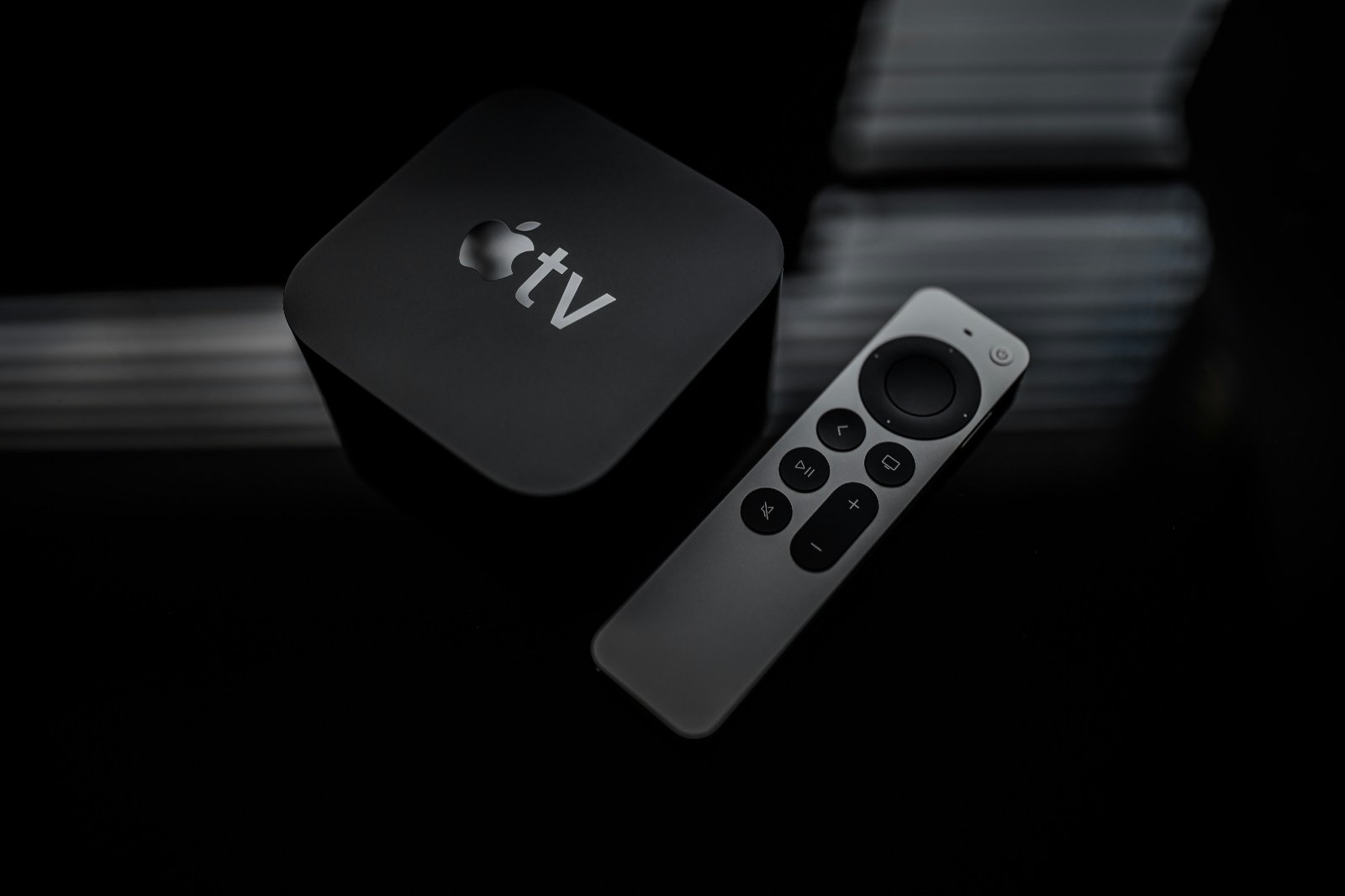
Streaming is the default now because it matches how people already watch TV at home, and the coach is just an extension of that. Plug in an Apple TV, Roku, or Fire TV, connect it to your Wi-Fi router, and the same Netflix, Max, or YouTube TV account works at the campsite.
Prevost owners have an advantage on the integration side. Most new conversions from Marathon, Liberty, Featherlite, and Millennium ship with Crestron or Savant control systems that route 4K HDMI across multiple zones. One Apple TV in the AV bay can feed video to the salon, bedroom, and outdoor TV with independent audio. Add a roof-mounted Starlink Mini or the larger Standard kit, and you'll see 50–200 Mbps in most places, plenty for 4K HDR. (We covered the install and real-world speeds in Starlink for Prevost owners: rolling Wi-Fi that actually works.)
The catch is that streaming depends on bandwidth. Starlink works in most places with a clear view of the northern sky, but trees, deep canyons, or crowded parking lots can block the signal. Cellular boosters from Winegard or weBoost help on the cellular side, but anyone who's tried to watch Sunday NFL games on busy campground Wi-Fi knows that having internet and having internet that streams 1080p are two different things.
Expect roughly the following per month for a streaming-first setup:
Streaming services: $25 for a single-service household, up to around $200 for the YouTube TV + Netflix + Max + Disney+ + Apple TV+ stack common among full-timers.
Internet: about $165/mo for Starlink Roam Unlimited, plus the one-time hardware cost. Many owners also keep a backup cellular plan for another $50–$80/mo.
For an alternative to Starlink that's worth tracking, see our piece on a new satellite internet player entering the RV space.
Is satellite TV still worth it in 2026?
Yes, in specific cases. Anyone who says satellite is dead probably hasn't tried to watch the Masters from a campsite under tall pines, or get weather updates during a winter storm when cell service is down.
The selling points haven't changed in fifteen years. Park almost anywhere with a clear view of the southern sky, and you get live TV with no buffering, no data caps, and no router to restart. Most Prevost coaches built since 2018 are pre-wired for in-motion domes from Winegard (the Trav'ler SK-3005 is the most common) or KVH (the TracVision RV1 and A9 are popular at the high end). The dish shows up as another HDMI input on the Crestron touchscreen, no different from the Apple TV.
The downsides are real. The hardware is expensive: a new Trav'ler runs about $1,500–$2,000 installed, and KVH systems with in-motion tracking can clear $5,000. DIRECTV's RV packages start at about $85/mo and include the major sports networks; DISH Outdoors runs $57–$80 depending on the package. You're paying for a fixed bundle, plenty of which you won't watch, and you can't take it inside the lodge or hand it to your kid in the back seat.
One quick note on picture quality: most satellite RV setups still output 1080i. If your salon TV is a 65-inch 4K OLED, you'll see a real difference between satellite and a 4K HDR Netflix stream.
How to think about it for your coach
The choice is usually about how you travel, not what you prefer technically.
Owners who mostly run between luxury RV resorts, NASCAR coach lots, or golf destinations almost always go streaming-only. Places like Hilton Head Motorcoach Resort have invested in fiber, and the lots are designed with clear sky for Starlink. Paying another $80/mo for satellite to use it a few times a year usually doesn't pencil out.
Owners who head into remote country — Forest Service roads in Colorado, the Maine coast off-season, anywhere in Big Bend — often keep the satellite dish as the primary or as a backup. When the nearest signal source for miles is a herd of elk, the dome on your roof is what lets you watch Sunday Night Football.
The high end of the Prevost market has settled into a hybrid setup. Starlink is the daily driver for everyone, and many owners keep a basic satellite subscription as backup for live sports and news. It's not the cheapest option, but on a coach that starts at $1.8 million, the marginal cost of running both isn't usually the deciding factor.
Two things people get wrong
"Starlink works everywhere"
Starlink needs a clear view of the sky, which is the opposite of how cellular works. Park under tall pines or in a slot canyon and the dish won't lock. The Starlink app has a check-obstructions feature; use it before you pick a site.
"In-motion satellite is the same as streaming while driving"
It isn't. Streaming over Starlink at highway speed works with the newer flat-panel dishes, but it's less stable than a dome built for tracking. If you watch a lot of TV in the salon while the coach is rolling, satellite is still the better experience.
Which one should you pick?
Streaming wins on flexibility, picture quality, and matching how most people already watch TV. Satellite wins on dependability where streaming can't reach, and on truly buffer-free live TV. For a Prevost, where the AV system handles both and budget isn't usually the constraint, the right answer for most owners is to run both, with streaming as the primary.
The best setup is the one you don't have to think about. Sit down after a long drive, hit one button on the Crestron, and the show is playing before the slides are out. That's the bar.